For many local businesses, being discovered by nearby customers can make a meaningful difference. A person looking for a dentist, electrician, salon, restaurant, or wholesale supplier may search for a service alongside a town or neighbourhood name.
Local SEO helps businesses improve their presence in relevant local search results. While rankings are never guaranteed, accurate business information and useful local content make it easier for customers to understand what you offer and where you operate.
1. Set up and maintain your Google Business Profile
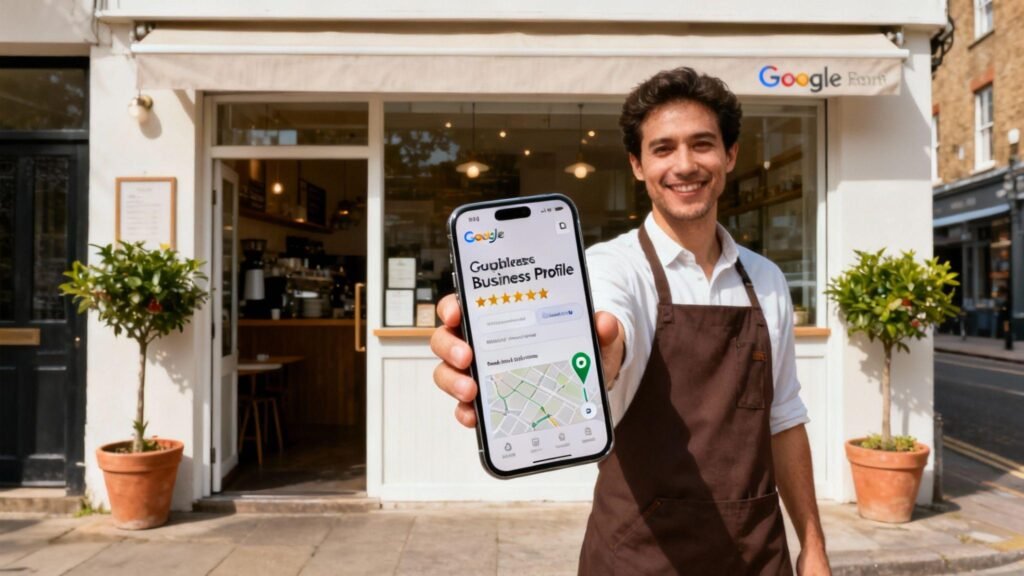
Eligible businesses can use Google Business Profile to manage how their business information appears across Google Search and Maps.
Check that your business name, address or service area, telephone number, business category, opening hours, and website link are accurate.
Choose categories that describe your actual business. Add clear photographs that represent your premises, team, services, or products. Update special hours and other important details when they change.
Do not create misleading listings or use an address where your business is not eligible to operate.
2. Make your website relevant to your service area
Your website should clearly explain what you do and where you genuinely serve customers.
For example, an electrical contractor working in several neighbourhoods could have a service page describing its electrical installation and repair services, followed by useful information about the areas it covers.
Avoid publishing dozens of nearly identical location pages that simply swap city names. Each page should offer meaningful information for customers in that area.